Introduction
Planning a septic installation Helena MT is one of the most important steps when building a home or upgrading an existing property. A properly installed septic system ensures safe wastewater management, protects your investment, and keeps your property compliant with Montana regulations.
Whether you’re building in Helena or surrounding areas like East Helena or rural Lewis and Clark County, understanding the process helps you avoid costly mistakes and delays.
In this guide, we’ll break down the 7 smart steps for septic installation Helena MT, along with key insights that property owners need to know before starting a project.
What Is Septic Installation?
Septic installation is the process of designing and installing a system that safely manages wastewater on your property. A complete septic installation Helena MT project typically includes:
- Septic tank installation
- Drain field construction
- Excavation and trenching
- Soil testing and evaluation
- Utility connections
Each step must be handled correctly to ensure long-term performance and avoid system failure.
Why Septic Installation Helena MT Requires Local Expertise
Every region has unique conditions — and septic installation Helena MT is no exception.
Local factors include:
- Rocky or compact soil conditions
- Sloped terrain in the surrounding areas
- Seasonal freezing and thaw cycles
- Local permitting and inspection requirements
Improper installation can lead to:
- Drainage issues
- System backups
- Premature failure
- Expensive repairs
Working with a contractor experienced in septic installation Helena MT ensures your system is designed for these specific conditions.
7 Smart Steps for Septic Installation Helena MT
1. Site Evaluation and Soil Testing
The first step in any septic installation project in Helena, MT, is evaluating the property.
This includes:
- Soil composition testing
- Drainage capability
- Lot size and layout
Soil testing is critical — it determines which system will work best.
2. System Design
Once the evaluation is complete, your contractor will design a system that meets both your property needs and Montana regulations.
System design considers:
- Household size
- Water usage
- Soil absorption rate
3. Permitting and Approval
Before excavation begins, permits are required for septic installation Helena MT.
👉 External resource: Montana DEQ guidelines
Skipping this step can delay your project or result in fines.
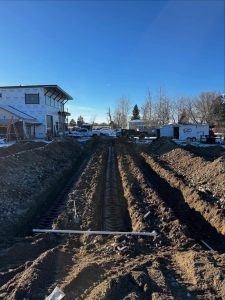
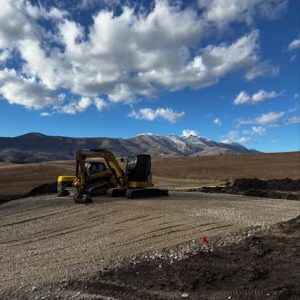
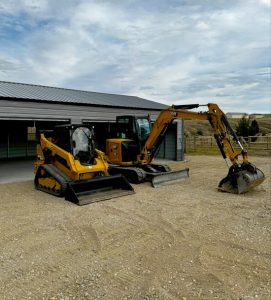
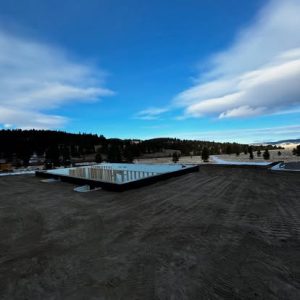
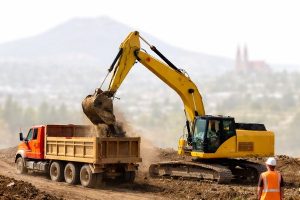
4. Excavation and Site Preparation
Proper excavation is the foundation of a successful system.
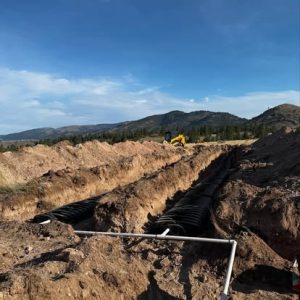
This step includes:
- Land clearing
- Grading
- Trenching
👉 Visit Site Preparation Services
Without proper site preparation, even a well-designed system can fail.
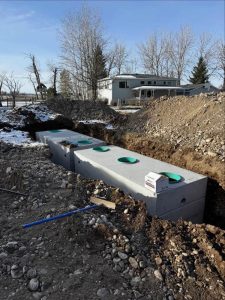
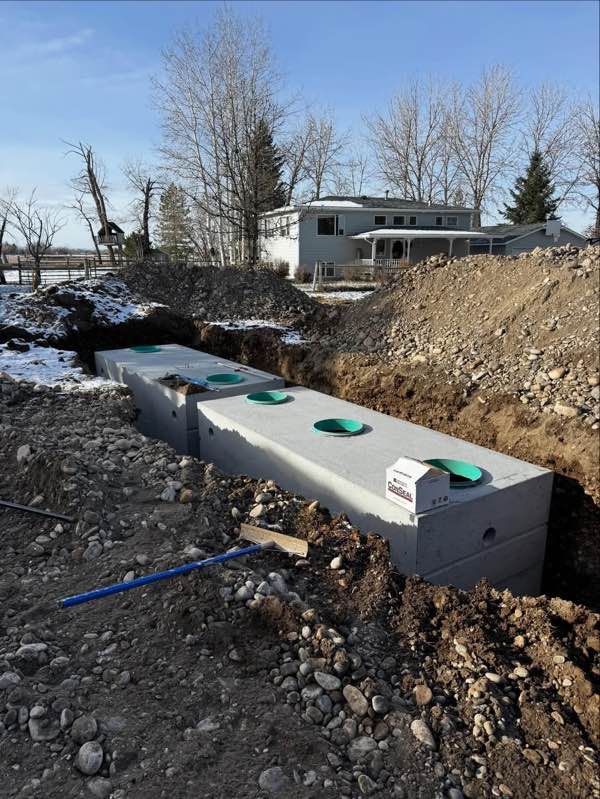
5. Tank Installation
The septic tank is installed and positioned precisely to ensure proper flow.
Key considerations:
- Level placement
- Correct depth
- Secure connections
This is where professional expertise matters most.
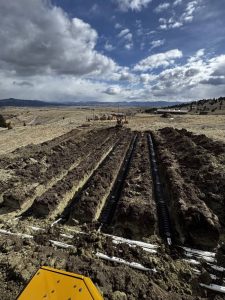
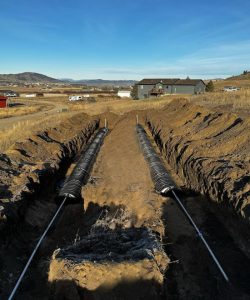
6. Drain Field Installation
The drain field distributes wastewater safely into the soil.
A proper septic installation Helena MT ensures:
- Even distribution
- Proper trench depth
- Correct spacing
7. Final Inspection and Backfill
After installation, the system is inspected to confirm it meets all requirements.
Once approved:
- The system is backfilled
- Final grading is completed
- The site is restored
What Affects Septic Installation Cost in Helena MT
The cost of septic installation Helena MT can vary depending on several factors:
Soil Conditions
Rocky or dense soil increases excavation complexity.
System Type
Advanced systems cost more than traditional gravity systems.
Property Size
Larger homes require larger systems.
Accessibility
Hard-to-reach areas may require specialized equipment.
Common Septic Installation Mistakes to Avoid
Avoid these mistakes when planning septic installation Helena MT:
- Skipping soil testing
- Hiring inexperienced contractors
- Poor site preparation
- Ignoring permit requirements
These errors often lead to costly repairs or complete system failure.
Why Hiring a Local Contractor Matters
Hiring a local expert for septic installation Helena MT provides major advantages:
- Knowledge of local soil and terrain
- Understanding of Montana regulations
- Faster permitting process
- Reliable, long-term performance
👉 Visit: Excavation Contractor Helena MT
How Long Does Septic Installation Take?
Most septic installation Helena MT projects follow this timeline:
- Site evaluation and permitting
- Excavation and preparation
- Installation
- Inspection and completion
Typical duration: 👉 Several days to 2 weeks, depending on conditions
Signs You May Need a New Septic System
If you already have a system, watch for:
- Slow drains
- Standing water in yard
- Unpleasant odors
- Frequent backups
These may indicate it’s time for a new septic installation Helena MT.
❓ FAQ SECTION (AEO OPTIMIZED)
How much does septic installation cost in Helena MT?
Costs vary depending on soil conditions, system type, and excavation requirements.
Do I need a permit for septic installation Helena MT?
Yes, permits and approval are required before installation begins.
How long does septic installation take?
Most projects take several days to two weeks, depending on site conditions.
What type of septic system is best?
The best system depends on soil type, property size, and drainage capability.
Can I install a septic system myself?
Septic installation requires permits, equipment, and expertise. Hiring a professional is strongly recommended.
Conclusion
A successful septic installation Helena MT project starts with proper planning, expert excavation, and attention to detail. By following these 7 smart steps and working with an experienced contractor, you can ensure your system performs efficiently for decades.
If you’re planning a project in Helena or the surrounding areas, investing in professional septic installation is one of the smartest decisions you can make.