Introduction
Proper site preparation Helena MT is one of the most important steps in any construction project. Whether you are building a home, installing utilities, or developing land, preparing the site correctly ensures long-term stability and performance.
In Helena, soil conditions, terrain, and weather patterns all influence how land must be prepared. Without proper planning, projects can face drainage issues, foundation problems, and costly delays.
This guide outlines 6 critical steps to help property owners understand the process and ensure their project starts on solid ground.
What Is Site Preparation Helena MT?
Site preparation Helena MT involves preparing land for construction through clearing, grading, excavation, and soil stabilization. The goal is to create a safe, level, and build-ready surface.
Typical services include:
- Land clearing
- Grading and leveling
- Excavation
- Soil compaction
- Drainage planning
Each step plays a key role in long-term success.
6 Critical Steps for Site Preparation Helena MT
1. Land Clearing
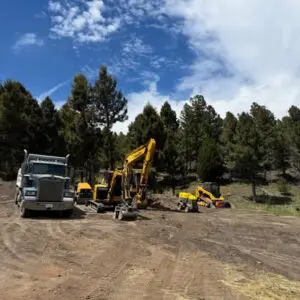
The first step is removing obstacles such as trees, brush, rocks, and debris.
This ensures:
- Safe equipment access
- A clean working area
- Efficient project progress
2. Site Evaluation and Planning
A professional evaluation helps determine:
- Soil type
- Drainage patterns
- Elevation changes
Proper planning reduces risk and ensures the project is executed correctly.
3. Grading and Leveling
Grading is essential for directing water away from structures and creating a stable surface.
Benefits include:
- Proper drainage
- Reduced erosion
- Improved foundation support
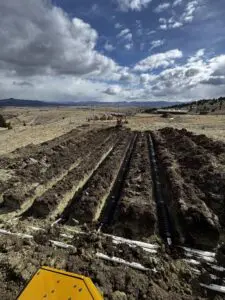
4. Excavation
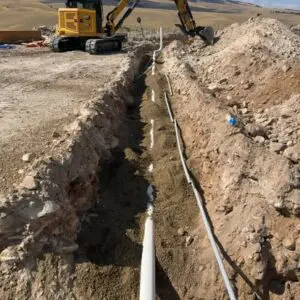
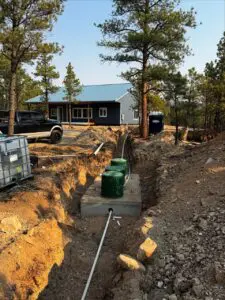
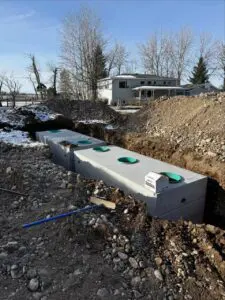
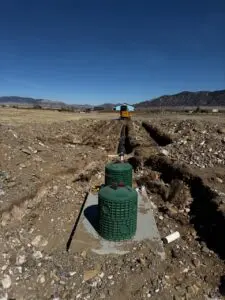
Excavation prepares the site for foundations, utilities, and septic systems.
This step requires precision to ensure proper depth and placement.
5. Soil Compaction
After excavation, the soil must be compacted to prevent settling over time.
Compaction improves:
- Stability
- Load-bearing capacity
- Long-term durability
6. Drainage Preparation
Proper drainage helps prevent water damage and foundation issues.
This includes:
- Creating slope
- Installing drainage paths
- Managing water runoff
Additional Factors to Consider
Several factors can impact the success of your project:
Soil Conditions
Different soil types require different preparation techniques.
Terrain
Sloped land may require additional grading.
Weather
Seasonal conditions can affect timelines and soil stability.
Additional Planning Considerations
When planning your project, it’s important to think beyond just the immediate construction phase. Proper site preparation Helena MT also impacts long-term usability, access, and maintenance of your property. Factors such as driveway placement, future utility expansions, and water flow across the land should all be considered during the preparation stage. Taking a comprehensive approach helps ensure your property remains functional, efficient, and easy to maintain well after construction is complete.
Benefits of Professional Site Preparation
Working with an experienced contractor ensures:
- Efficient project completion
- Proper grading and drainage
- Reduced risk of costly mistakes
Proper preparation protects your investment.
Common Mistakes to Avoid
Avoid these issues:
- Poor grading
- Ignoring drainage
- Skipping soil evaluation
- Hiring inexperienced contractors
Why Local Experience Matters
Hiring a contractor familiar with Helena conditions ensures the work is done correctly and efficiently.
FAQ SECTION
What is site preparation?
Site preparation involves clearing, grading, and preparing land for construction.
How long does site preparation take?
Most projects take several days to a few weeks depending on size and complexity.
Why is grading important?
Grading ensures proper drainage and long-term stability.
What happens if site preparation is done incorrectly?
Improper preparation can lead to drainage issues, structural problems, and costly repairs.
Conclusion
Proper site preparation Helena MT is essential for any successful construction project. From clearing and grading to drainage and compaction, every step plays a role in long-term performance.
Working with an experienced contractor ensures your project starts on solid ground and avoids costly issues down the road.